Parent-teacher relationship, academic success, early childhood education, preschool, daycare, family partnership, parent involvement, communication, teacher collaboration, kindergarten readiness, learning center, Discovery Time Learning Center, child development, educational success, parent resources,
A child’s educational journey is like a complex construction project, requiring careful planning, solid materials, and a team of dedicated builders. When it comes to early childhood education, that foundational construction crew consists of two essential figures: the parent and the teacher.
At Discovery Time Learning Center (DTLC), we don’t just see ourselves as educators; we view ourselves as partners in your family’s mission to guide discoveries and empower your child to be their very best. Our core philosophy is centered on Family Partnership, recognizing that the bridge between home and school is the strongest predictor of a young student’s long-term academic and social success. A unified approach is critical. When parents and teachers align their expectations and communication, the child receives consistent support, leading to greater confidence, improved behavior, and enhanced academic outcomes. This collaborative synergy doesn’t just benefit their current classroom experience—it builds the foundation for a lifetime of achievement.
What is the profound impact of parent-teacher synergy on a child’s development?
The partnership between a parent and a teacher is not merely a formality; it is a powerful developmental tool. This collaborative synergy creates a comprehensive, 360-degree support system that promotes holistic growth for the child. When communication is strong, the child experiences a seamless transition between their home life and their learning environment, which reduces anxiety and encourages them to take positive risks in their education.
A robust parent-teacher relationship ensures that both the academic and socio-emotional aspects of the child’s development are monitored and nurtured effectively.
Key benefits of a strong, unified partnership:
- Improved Academic Performance: Research consistently shows that parental involvement, facilitated by strong teacher relationships, leads to higher grades and better test scores. When parents reinforce classroom concepts at home, learning becomes sticky and retention improves significantly.
- Enhanced Social and Emotional Skills: A unified front between home and school provides a clear and consistent message regarding behavioral expectations. This stability helps children develop better self-regulation, accountability, and improved social interactions with peers and adults.
- Increased Self-Confidence and Motivation: When a child sees their two most important adult figures communicating and working together, they feel supported and valued. This external validation boosts their self-esteem and fuels their intrinsic desire to learn and engage in the classroom.
- Early Intervention: Teachers are experts in child development and recognize learning gaps or behavioral changes quickly. A foundation of trust allows teachers to share concerns promptly and constructively, enabling parents to implement supportive strategies at home, leading to quicker and more effective intervention.
- Reduced Stress for Everyone: Teachers gain valuable context about a child’s background, cultural needs, or family changes. Parents feel assured their child is being understood and supported. This mutual understanding prevents misunderstandings and makes the entire learning process smoother and more enjoyable for the student, parent, and teacher.
For infants, toddlers, and preschoolers in DTLC’s research-based curriculum, this support is vital for mastering early literacy, numeracy, and critical thinking. It literally determines their readiness for kindergarten.
How can we establish immediate, open, and consistent communication?
Effective communication forms the bedrock of the entire partnership. It must be clear, consistent, and utilize channels that are convenient and accessible to all parties. At Discovery Time Learning Center, we utilize multiple strategies to ensure communication lines are always open.
Best Practices for Communication:
- Start Strong and Positive: Teachers must initiate contact early, often even before the school year begins, to introduce themselves and establish a positive tone. Sharing good news (a small accomplishment, a moment of kindness) is crucial for building trust and ensuring a parent’s default reaction to contact from school is not one of anxiety.
- Utilize Technology for Real-Time Transparency: In today’s busy world, traditional notes are often insufficient. DTLC leverages secure digital apps for daily updates, photos, and messages. This ensures that even the busiest parent can receive an update on their child’s day—what they ate, how they napped, and what new discovery they made.
- Harness the Power of Classroom Cameras: DTLC offers parents secure, parent-accessible classroom cameras. This level of transparency fosters immediate trust and allows parents to see the learning environment firsthand, staying connected to their child learning, playing, and interacting throughout the day.
- Embrace Two-Way Dialogue: Communication should never be a monologue where the school dictates information. It must be a two-way street where parents feel comfortable providing input, asking questions, and sharing concerns. DTLC maintains an open-door policy for dialogue.
- Be Consistent and Timely: Regular updates—whether a weekly newsletter summarizing classroom themes or a quick daily app message—prevent surprises. If a small issue arises, address it promptly. Waiting can turn a minor concern into a major conflict.
By leveraging technology like our digital communication app and secure classroom cameras, DTLC ensures that parents have access to the information they need to feel like a true partner in their child’s daily learning experience.
How does mutual respect build trust in the partnership?
Mutual respect is the emotional foundation that allows both parties to approach collaboration from a place of positive intent. Trust is not given; it is built through consistent, respectful interactions where each person’s expertise is equally valued.
Valuing Diverse Perspectives:
- Parents are the Child Experts: No one understands a child’s history, temperament, sensitivities, or non-school influences better than their family. Teachers must respect this invaluable insight and proactively solicit this information. This understanding allows teachers to tailor their instruction and classroom environment to the child’s unique needs.
- Teachers are the Education Experts: Conversely, teachers possess the professional training, educational background, and knowledge of child development theories and research-based curriculum. Parents must respect the teacher’s pedagogical expertise and guidance on academic progress. DTLC teachers, who complete three times the required annual training, bring an exceptional level of professional insight to the partnership.
Strategies for Fostering Respect and Trust:
- Active Listening and Empathy: When a concern is raised, whether by a parent or a teacher, the other party must practice active listening. Listen to understand the message and the emotions behind it. Empathize with the concern, even if you don’t immediately agree on the solution. Acknowledging a parent’s worry validates their role.
- Avoid Assumptions: Teachers should never make assumptions about a student’s home life, and parents should never assume a teacher’s motivation. Always presume the best intentions: both parties are fundamentally working toward the child’s best interests.
- Maintain Professional Boundaries and Confidentiality: All communication, especially regarding sensitive issues, must be handled professionally and confidentially. This adherence to integrity builds reliability, which is a key pillar of trust.
- Acknowledge and Validate Feedback: Teachers should regularly invite and acknowledge parental feedback on the overall learning experience. Showing that input is valued, even if it doesn’t immediately lead to a policy change, strengthens the sense of Family Partnership that DTLC champions.
A relationship built on this kind of deep, mutual respect transforms interactions from transactional updates into genuine, collaborative problem-solving sessions.
What are the benefits of shared goal setting for academic achievement?
When parents and teachers collaborate to define specific, common goals for the child, they create a unified path to success. Shared goal setting ensures that efforts at home and school are reinforcing one another, maximizing the impact of the curriculum. This eliminates mixed messages and ensures consistency for the child.
The Collaborative Goal-Setting Process:
- Define the Shared Mission: The overarching shared goal is to “empower the child to be their very best.” Under this mission, specific objectives can be set for key developmental areas.
- Set Specific, Measurable Goals: Goals should be concrete. Instead of “work on reading,” a collaborative goal might be: “By the next conference, the child will be able to identify four new letters and their corresponding sounds.”
- Leverage Expertise for Action Plans:
- The Teacher uses their knowledge of the DTLC research-based curriculum to outline classroom strategies and targeted activities.
- The Parent uses their knowledge of the child’s learning style to outline supportive, at-home activities (e.g., reading together for 15 minutes before bed, or using educational apps recommended by the teacher).
- Review and Adjust Regularly: Goals are dynamic. Regular check-ins (via digital app or scheduled conferences) are necessary to review progress and collaboratively decide if the goal needs to be adjusted, celebrated, or if a new strategy is required. This practice transforms evaluation from a critique into a constructive exercise in partnership.
Example of Shared Success (DTLC Focus):
A DTLC preschooler is struggling with self-regulation during structured learning time.
- Teacher’s Strategy (School): The teacher implements positive reinforcement techniques, providing the child with a visual schedule and giving them a special “leader” task during transitions.
- Parent’s Strategy (Home): The parents are informed of the visual schedule and use similar, consistent language at home when transitioning from play to dinner or screen time to bed.
- Result: The child experiences the same routine and expectations in both environments, resulting in improved focus in the classroom and better behavior at home, leading to a direct boost in their readiness for the next academic level.
How can parents actively participate in the learning center community?
Active parental involvement sends a powerful message to a child: “Your education is important, and I value the people who are helping you grow.” Involvement doesn’t always mean volunteering daily; it means engaging with the center’s community and supporting its mission. Discovery Time Learning Center highly encourages this participation through various opportunities designed to fit busy family schedules.
Meaningful Ways for DTLC Parents to Engage:
- Attend and Participate in Center Events: DTLC hosts numerous events specifically designed to foster community and engagement. These include:
- Fall Festival & Costume Parade
- Summer Field Day
- Class Holiday Parties
- Parents’ Night Out: Offered monthly, this event not only gives parents a well-deserved break but also encourages them to see the center as a supportive community hub.
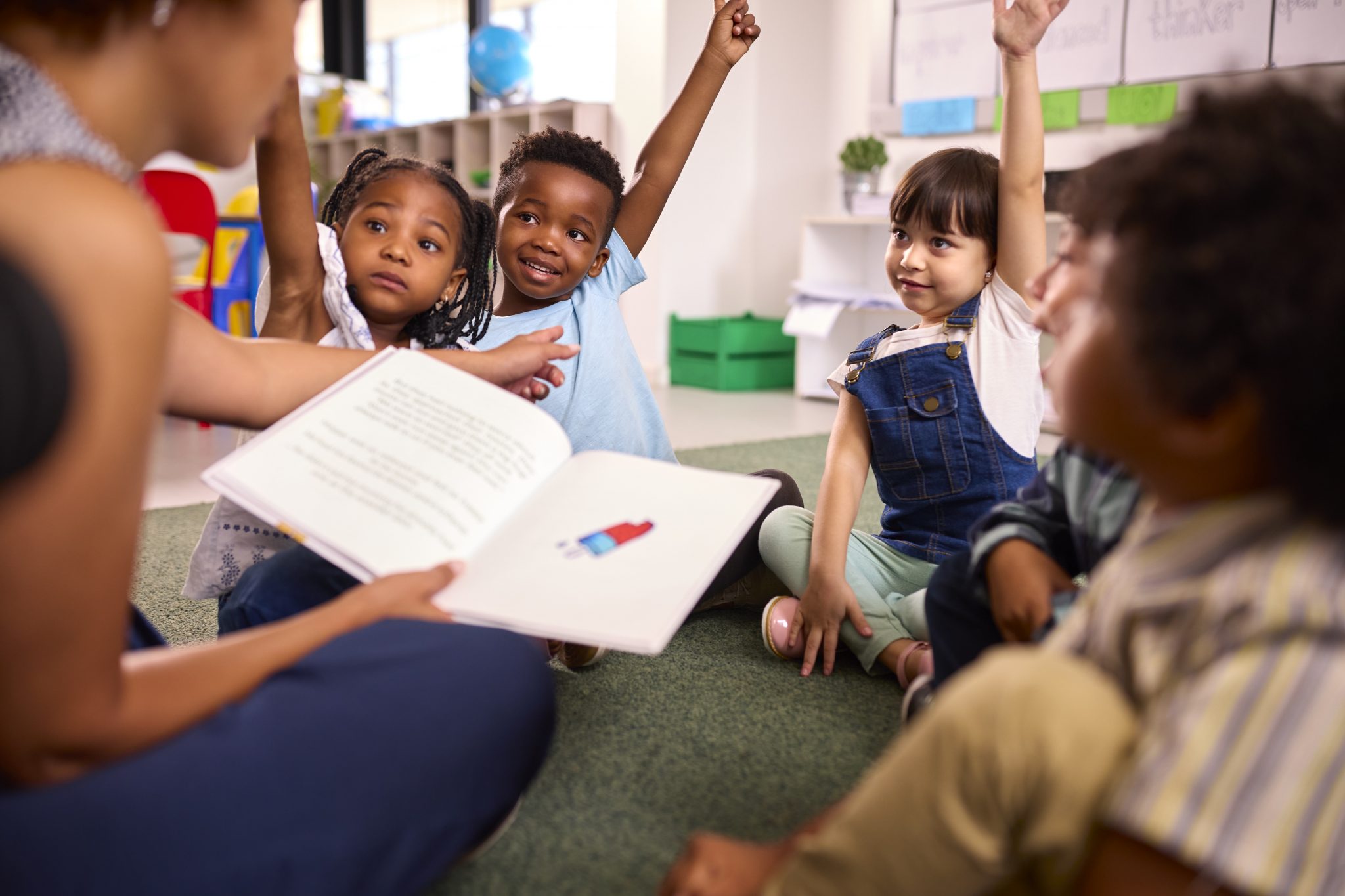
- Become a “Mystery Reader”: Volunteering to read a story to the class—whether in person or virtually—integrates the parent’s voice into the classroom and delights the children. This is a highly accessible and impactful way to get involved.
- Reinforce Learning at Home: Ask specific, open-ended questions about the research-based curriculum (e.g., “What were the steps for the science experiment you did today?” rather than “What did you do today?”). Follow up on concepts like early literacy and math using activities recommended by the teacher via the digital app.
- Join the Conversation and Provide Feedback: Actively participate in the school’s digital communication platform. Respond to teacher check-ins, attend scheduled program tours or open houses, and proactively seek ways to support the classroom.
- Utilize the Open Door Policy: Feel comfortable scheduling a time to speak with your child’s teacher in person to ensure continuous dialogue. This face-to-face interaction cements the personal bond.
By participating in these ways, parents not only support their own child’s learning but also contribute to the positive, nurturing, and dedicated environment that defines the Discovery Time Learning Center community.
Conclusion: Your Partnership is the Key to Unlocking Potential
Building a strong parent-teacher relationship is a foundational task in early childhood education. It is not an occasional meeting; it is a continuous, deliberate commitment to collaboration, trust, and shared goals. When parents and teachers unite, they create a safety net of consistency and support that allows the child to take bold steps in their development. This partnership, rooted in mutual respect and clear communication, is the most powerful tool for delivering the academic success and socio-emotional resilience your child needs to thrive.
At Discovery Time Learning Center, our dedicated, highly trained teachers are ready to be your extended family and co-pilot on this journey, supported by tools like our digital communication app and transparent classroom cameras. We believe that when the family and the learning center work as one team with one dream, we truly empower children to be their very best.
Do not wait for a challenge to arise to begin building this essential partnership. Take the next step in securing your child’s success.
Ready to join a community where Family Partnership is a core value? Contact Discovery Time Learning Center today to schedule a program tour and meet our exceptional teaching team!
Frequently Asked Questions (FAQ)
Does Discovery Time Learning Center have an open-door policy for parents?
Yes, Discovery Time Learning Center maintains a transparent and proactive open-door policy. We encourage parents to communicate directly with our teaching team whenever they have questions, concerns, or insights to share about their child’s learning or well-being. This policy supports our core value of Family Partnership, ensuring continuous dialogue and collaborative problem-solving between home and school.
How does DTLC ensure consistent daily communication with busy parents?
DTLC leverages secure, modern technology to ensure seamless and consistent communication. We utilize a dedicated digital communication app that provides parents with real-time daily updates, important announcements, learning achievements, and photos of their child’s progress. Additionally, we offer parent-accessible secure classroom cameras, allowing parents to view their child learning and interacting in real-time, which reinforces transparency and connection throughout the day.
What role does the parent play in the DTLC curriculum?
The parent plays a crucial, supportive role in extending the DTLC research-based curriculum beyond the classroom. While our highly trained teachers deliver the structured and play-based learning activities, parents are essential for:
- Reinforcing concepts at home (e.g., reading books related to classroom themes).
- Providing context about the child’s learning style, interests, and non-school environment.
- Collaborating on developmental goals established during conferences.
The parent’s involvement ensures the child receives a consistent educational message, maximizing their academic outcomes and kindergarten readiness.
How often are DTLC teachers trained in early childhood education?
Discovery Time Learning Center prides itself on having a highly skilled and passionate teaching team. Our teachers complete three times the amount of annual training required by state licensing. This commitment to ongoing professional development ensures our educators remain current on the latest research-based teaching methods, child development best practices, and collaborative techniques for family engagement, ultimately delivering the highest quality early childhood education possible.
Does DTLC host events to facilitate parent-teacher connection?
Yes, fostering community is a priority. DTLC organizes several parent-oriented activities and special events throughout the year designed to bring families and staff together in a relaxed setting. These opportunities include Parents’ Night Out events, the annual Fall Festival & Costume Parade, Summer Field Day, and parent involvement opportunities like “Mystery Reader Visits” to strengthen the essential bonds between home and the learning center.