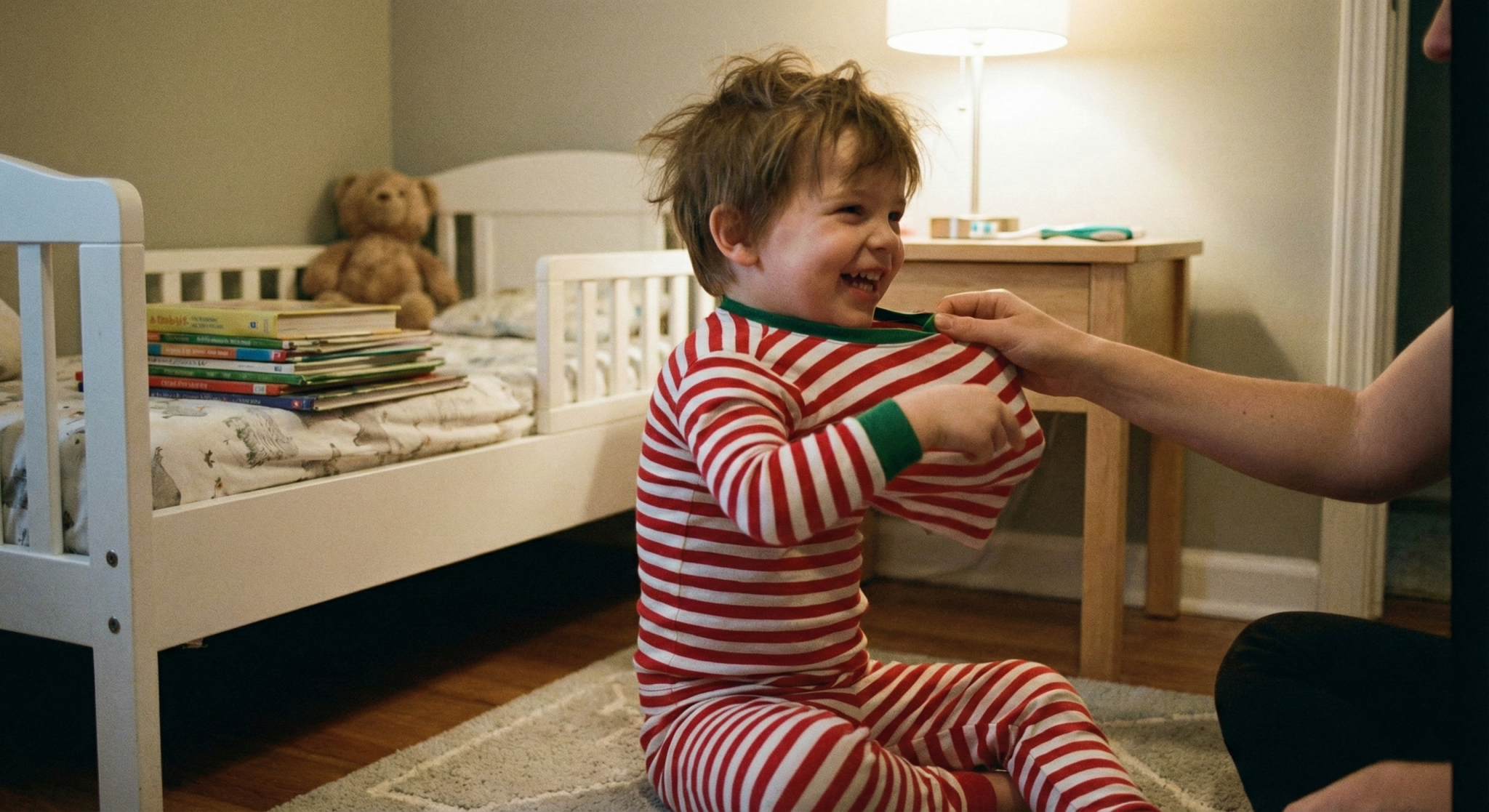
We have all been there. It is 8:00 PM, and instead of winding down, the energy in the house is ramping up. There are requests for one more glass of water, a sudden search for a lost toy, and the inevitable negotiation for “just five more minutes.” At Discovery Time Learning Center, we know that sleep is just as vital to your child’s development as the curriculum we teach in our classrooms.
A consistent bedtime routine is not just about getting your child to close their eyes; it is about building a bridge between the high energy of the day and the restful sleep their growing bodies need. Whether you are in Alexandria’s Del Ray or Potomac Yard neighborhoods, a peaceful evening is possible. Let’s explore how to build a routine that works for your family.
Why Is a Consistent Bedtime Routine So Important?
Have you ever noticed how your child thrives on schedule during the school day? Children crave predictability. When they know exactly what comes next, their anxiety decreases, and they feel safe. A consistent bedtime routine acts as a signal to the brain that the day is ending.
Research shows that a regular nightly routine promotes healthy sleep habits, which are crucial for cognitive development, emotional regulation, and physical growth. When a child sleeps well, they wake up happier, more focused, and ready to learn. By establishing a set order of events—like bath, pajamas, and a story—you are actually programming their biological clock to produce melatonin, the hormone that helps them sleep.
When Should We Start the Winding Down Process?
Timing is everything. If we wait until a child is rubbing their eyes and yawning, they may already be overtired. Overtired children often become hyperactive and “wired,” making it much harder to settle them down.
A good rule of thumb is to start the “wind-down” process about 30 to 60 minutes before the actual lights-out time. This transition period allows for a gradual shift in energy. If your goal is for your child to be asleep by 7:30 PM, aim to start your routine around 6:45 PM. This buffer prevents the rush, allowing you to move through the steps calmly rather than acting like a drill sergeant against the clock.
What Are the Essential Steps for a Calm Evening?
While every family is different, the most effective routines share a few common elements. The key is to keep things simple and comparative to the flow of your evening.
- Disconnect from Screens: At least one hour before bed, turn off tablets, TVs, and phones. The blue light emitted by these devices tricks the brain into thinking it is still daytime, suppressing melatonin production.
- Hygiene Habits: A warm bath can be incredibly soothing. It raises the body temperature slightly; when the child gets out, their body cools down, which signals the body it is time to sleep. Follow this with brushing teeth and a final potty trip.
- Comfortable Environment: Ensure the bedroom is conducive to sleep. It should be cool, dark, and quiet. If your child is afraid of the dark, a dim, warm-colored nightlight is a great solution.
- Connection Time: This is the most magical part of the routine. Reading a book together or singing a quiet song provides emotional security. It “fills their cup” with attention before they separate from you for the night.
- The Final Goodnight: Use a consistent phrase, such as “I love you, sleep tight,” to mark the absolute end of the interaction.
How Do We Handle Stalling and “Curtain Calls”?
Toddlers are expert negotiators. They will suddenly need water, a specific stuffed animal, or to tell you something “very important.” This is often called a “curtain call.”
The best way to handle this is through anticipation and boredom.
- Anticipate Needs: Offer the final sip of water and the final potty trip during the routine.
- Be Boring: If they get out of bed, calmly guide them back with minimal interaction. Keep the lights off and your voice low. Do not engage in conversation or debates.
- Stay Consistent: If you give in to “one more story” tonight, they will ask for two tomorrow. Firm boundaries actually make children feel more secure because they know exactly where the line is.
How Does Daytime Activity Affect Nighttime Sleep?
Sleep does not start at bedtime; it starts in the morning. Exposure to natural sunlight and physical activity during the day helps regulate the circadian rhythm.
At Discovery Time Learning Center, our days are filled with active play, outdoor exploration, and structured learning. We ensure children burn off that excess energy so their bodies are physically ready for rest when they get home. A child who has had a stimulating, active day is much more likely to fall asleep easily than one who has been sedentary.
Conclusion
Building a bedtime routine takes time and patience, but the payoff is a peaceful home and a well-rested, happy child. By remaining consistent and focusing on connection and calm, you can turn bedtime from a battle into a bonding experience.
Remember, you don’t have to do it perfectly every night. The goal is progress, not perfection. If you are looking for a partner in your child’s development who values structure and care just as much as you do, we are here to help.
Contact Discovery Time Learning Center Today
Ready to enroll your child in a program that supports their growth from morning to night? Contact Discovery Time Learning Center to schedule a tour of our Alexandria facilities. Let’s empower your child to be their very best!
Frequently Asked Questions (FAQ)
Q: How long should a bedtime routine take?
A: Ideally, a bedtime routine should last between 20 and 45 minutes. If it is too short, the child may not have enough time to wind down. If it is too long, they may get a “second wind” or become bored and distracted. The key is quality connection over quantity of time.
Q: What if my child cries when I leave the room?
A: Separation anxiety is normal in toddlers. You can try a “check-in” method where you tell the child you will check on them in 5 minutes, but only if they are quiet and in bed. This reassures them that you haven’t disappeared while helping them learn to self-soothe. A comfort object, like a favorite blanket, can also help.
Q: Should we keep the routine the same on weekends?
A: Yes, as much as possible. While it is tempting to let kids stay up late on Fridays or Saturdays, shifting their sleep schedule by more than an hour can disrupt their internal clock (similar to jet lag). Keeping a consistent wake-up and bedtime helps maintain the rhythm for the coming week.
Q: At what age should we start a bedtime routine?
A: It is never too early to start! You can establish simple patterns with infants (like bath, bottle, song). By the time they are toddlers (1-3 years old), they will already be accustomed to the cues that signal sleep is coming, making the “terrible twos” bedtime struggles much easier to manage.